

 5 minutes
 Many people still associate Service Design with workshops, Post-it notes, and preliminary discussions. In reality, however, this is the phase that determines whether development becomes a clearly defined, commercially sound investment or a project in which critical decisions are made too late, once development costs are already being incurred.
At DONE, we do not treat Service Design as a creative warm-up exercise, but as a process of business, UX, and technology planning. It helps ensure that an idea does not simply become technically feasible, but evolves into a usable, scalable digital product with a clear business rationale.
If a service does not address a genuine market need, or users already encounter difficulties during onboarding, subsequent development cycles may end up correcting previously unresolved decisions rather than improving the product itself. This is why our planning process starts not with assumptions, but with business, technological, and user realities.
1. Market Research: Building on Data Instead of Assumptions
We do not start with what we “think,” but with what can be understood, measured, or validated. We identify friction points in existing processes, analyse competitors and onboarding models, and then map decision-making patterns and usage scenarios.
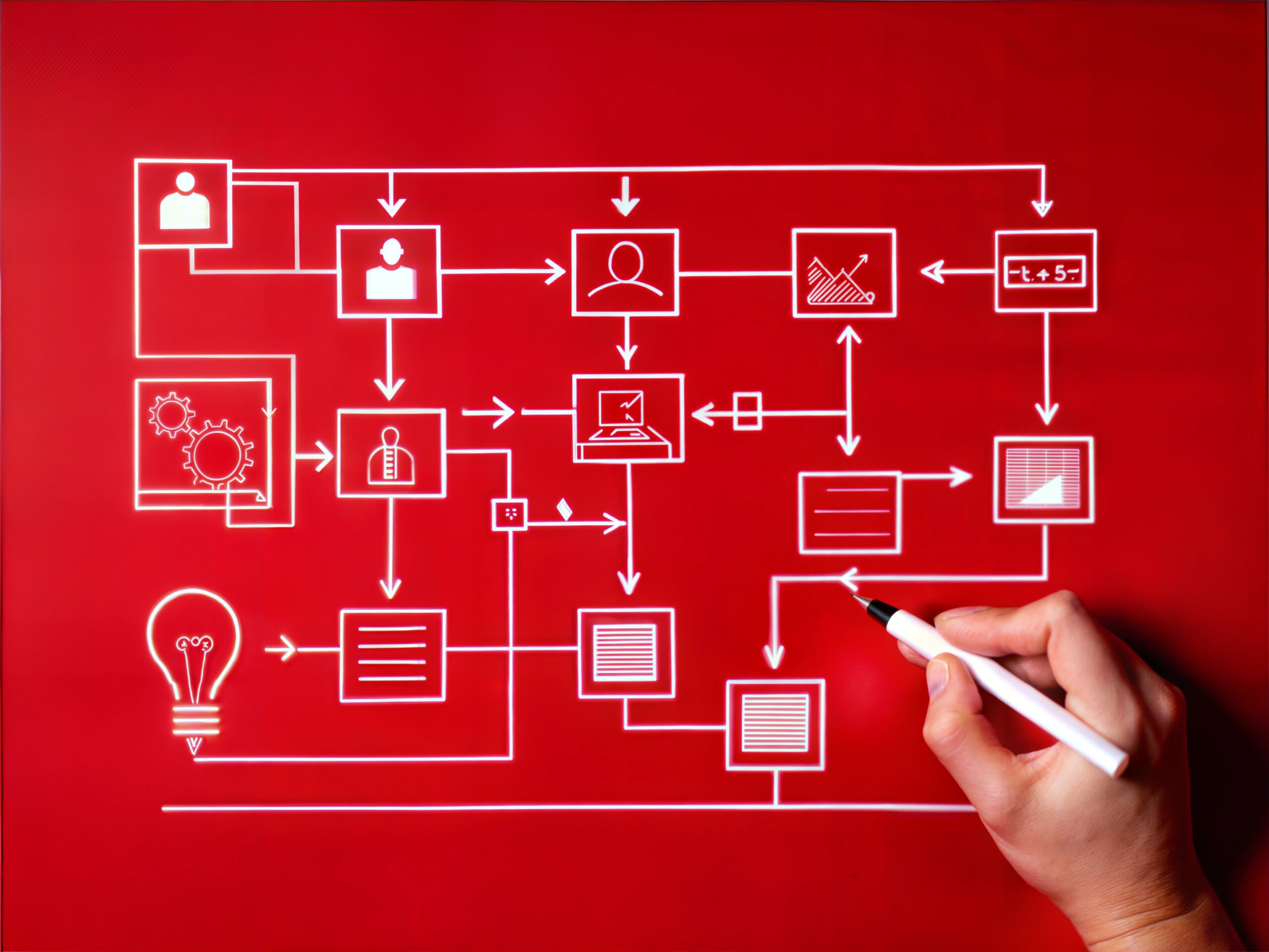
These insights form the basis of the customer journey map, flowchart, and use case list. At this stage, it becomes clear which features are worth developing, what should be prioritised, and which elements do not directly support the business objective.
2. Direction and Objectives: What Must the Product Achieve from a Business Perspective?
Research is followed by a collaborative phase with the client. Together, we define the product’s mission, vision, and the specific value it is intended to deliver to users.
If the product promise is vague at the beginning of the project, the final outcome is likely to be equally unclear. This is why we define not only what we are building, but also why we are building it, who it is for, and which business outcomes it must support.

3. Feasibility Planning: Where the Idea Meets Technological Reality
This step protects the project from escalating costs and repeated redesign cycles later on. We create a detailed requirements specification that outlines not only the required features, but also the conditions necessary for their implementation.
At this stage, we assess technological constraints, resource requirements, integration needs, scalability considerations, and which features should be included in the first release. If a solution would involve disproportionate technological risk or cost, it can still be redesigned, reprioritised, or moved to a later development phase.
4. Prototyping: Testing Product Logic Before Development
Before coding begins, the product must become testable. The aim is not to review “attractive screens,” but to determine whether the underlying logic works, whether the process is understandable, and whether users can successfully reach the intended outcome.
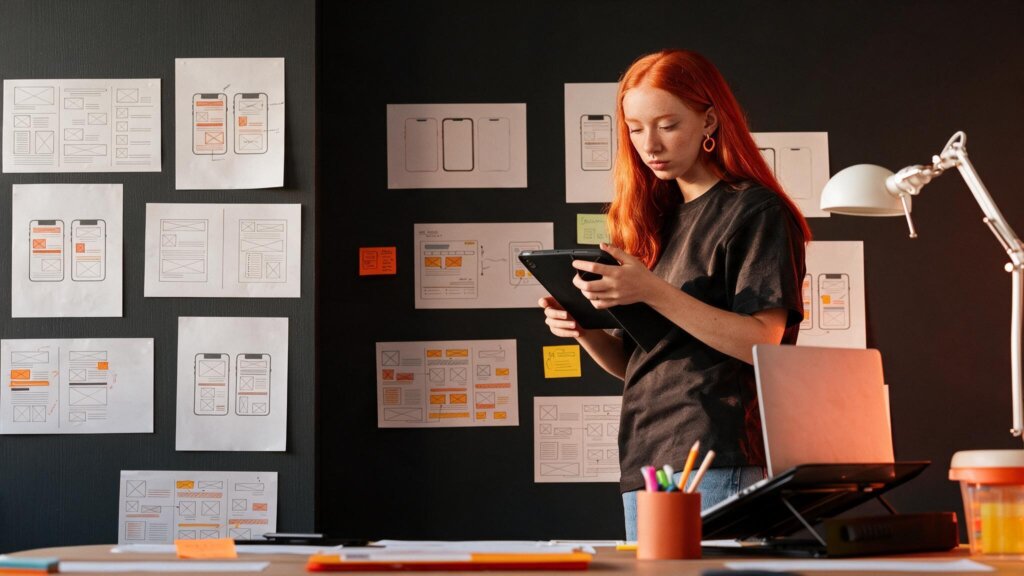
Prototyping may begin with a simple paper wireframe, progress to a digital wireframe, and then move to the interaction design stage, where system responses, states, and click paths are defined in greater detail. This transforms the idea from an abstract concept into a testable operating model.
5. Usability Testing: Validation Before Development Costs Are Incurred
Even a single iteration involving five real users can uncover a significant number of usability issues. The goal is not to promise laboratory-level perfection, but to identify critical obstacles before development begins.
Testing reveals whether the process is understandable, where users become stuck, where uncertainty arises, and which elements appeared logical on paper but do not work well enough in practice. As a result, developers receive a more thoroughly validated system logic rather than a concept based solely on assumptions.
6. Specification: A Shared Foundation for Development
Service Design does not conclude with visual concepts, but with a detailed, development-ready specification. This includes the logical architecture, data structure, process descriptions, key use cases, and operational rules.
The documentation provides a shared point of reference for the client, the design team, and the developers. It reduces misunderstandings, clarifies decision points, and makes the project scope easier to control.
7. Visual Identity: Once the Product Has a Stable Functional Foundation
Visual identity is not decoration; it is a strategic tool. The appearance of a digital product works effectively when it supports, rather than obscures, the system’s underlying logic.
For this reason, the product’s look and feel is not treated as a separate creative layer. It emerges from the product’s functionality, the brand, and user needs. Consistent UI design and visual identity improve usability, strengthen trust, and create a coherent brand experience.
8. UX Writing and Content: The Voice of the System
A digital service does not only function; it also communicates. It guides users through button labels, microcopy, feedback messages, error messages, and instructions.
Content is therefore not an afterthought, but an integral part of the user experience. A well-written error message, an accurate button label, or clear onboarding copy can often be just as important as the feature itself.
What Do You Gain from This Process?
The primary value of Service Design is that it brings important questions to the surface before development begins questions that would be significantly more expensive to address later.
- More Predictable Costs
Features, technological requirements, and priorities are clarified earlier, reducing the likelihood of unexpected technical dead ends during development. - Less Rework During Development
Critical decisions are made before coding begins, while changing is still faster and more cost-effective. - Clearer Decision Points
The client, the design team, and the developers all work from the same underlying logic, reducing misunderstandings and providing greater control over the project scope. - A Better-Prioritised First Release
It becomes clearer which features should be included in the MVP or the first development phase, and which should be scheduled for later. - A More Thoroughly Validated Solution
The product logic entering development is supported by research, prototyping, and real user feedback.
Service Design: Not an Additional Step, but a Protective Layer
Service Design is not an extra stage before development. It is the step that helps protect the development process from uncertain decisions, issues identified too late, and unnecessary redesign work.
When it is unclear where users are becoming stuck, where conversions are being lost, or which features generate genuine business value, purchasing development hours immediately is unlikely to be the right first step. The system must first be understood before the first line of code is written.
More posts
Website Typography: How Fonts Influence Readability, Brand Perception, and Conversions
A website is full of elements competing for attention: colors, images, buttons, animations, and headlines. Yet one of the most influential design elements is often the least noticeable—the typeface. Typography is[...]
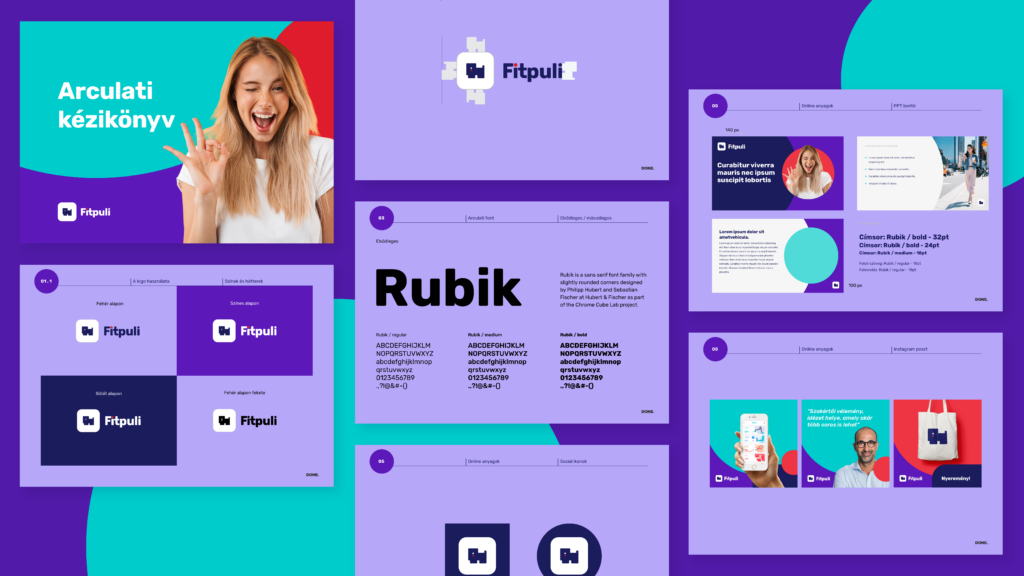
Brand design step by step: how a consistent brand identity is built
Brand design is still often identified with a well-crafted logo. However, the logo is rather a visual marker than the identity itself. A condensed form that stands behind an entire[...]
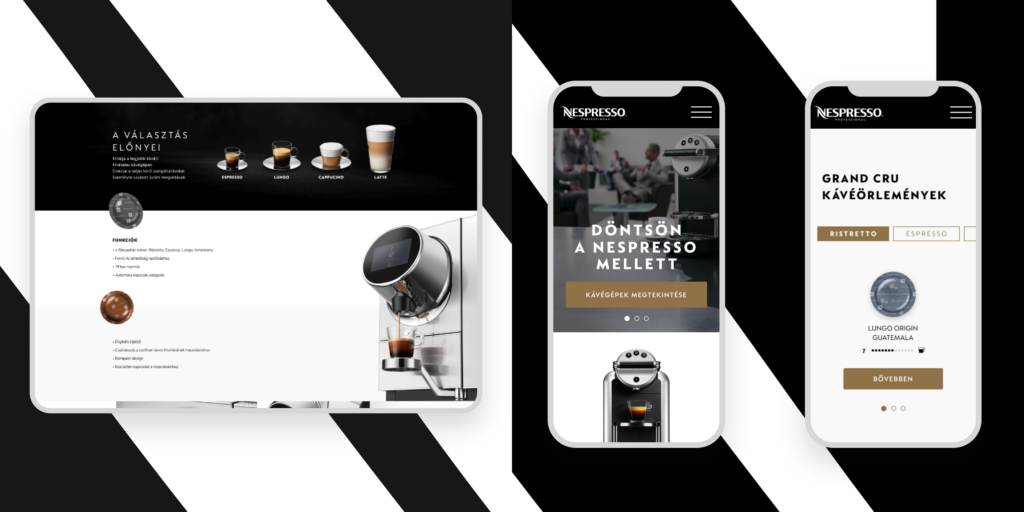
Why is a UX/UI audit useful for an existing digital product?
A large portion of incoming inquiries starts with frustration: our partner’s digital product is functioning, campaigns are running, traffic is visible, yet the level of conversion required to achieve business goals still falls short and the reason is often unclear.