Motion design
A visual experience that truly sets things in motion
On digital platforms, a static visual world on its own rarely holds up anymore. We consume content at such speed and volume that, in the competition for attention, motion has become one of the most powerful tools available.
We recognised early on that motion design needs to be an integral part of conscious design thinking, as it measurably helps make messages clearer, interfaces more usable, and brands more memorable.
What is motion design, really?
In classic terms, motion design means bringing graphic elements to life—where design is interpreted not only in space, but also over time. In practice, however, it’s not about telling stories. Instead, motion design highlights functions, explains processes, and creates visual emphasis.
When we design motion, our goal is never spectacle for its own sake. The purpose is to support understanding, guide attention, and improve the overall user experience.
Animation is not the same as motion design
Animation typically relies on narrative, characters, and storytelling.
Motion design, by contrast, is more abstract. It works with shapes, typography, icons, logos, and UI elements in motion.
Its business value lies in making brand character or complex systems faster and easier to understand for the audience.
How we use motion design in practice
Alongside static solutions, we most often apply motion design in four key areas:
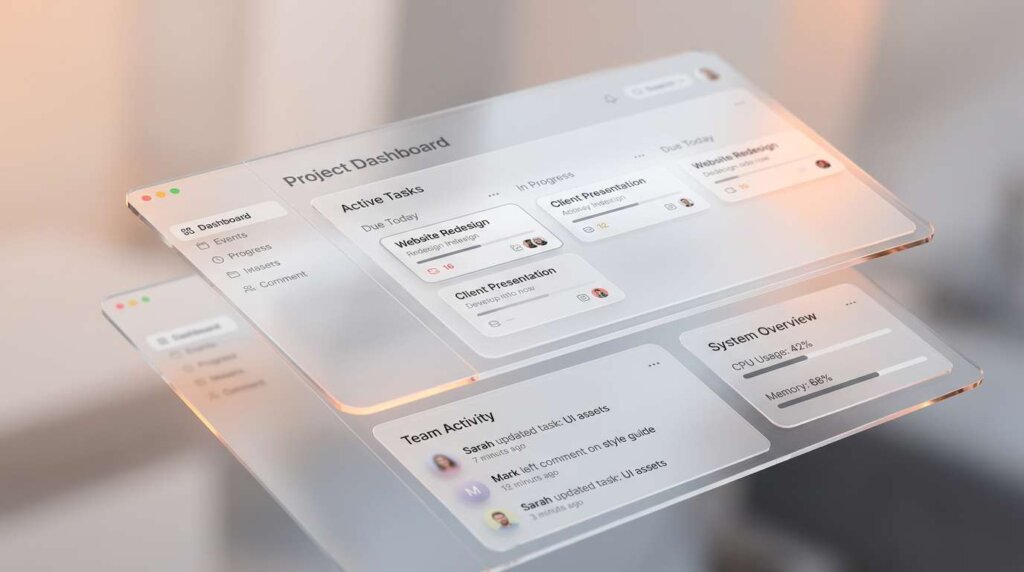
- User interfaces and micro-interactions – where motion not only provides feedback, but actively guides user attention across the interface.
- Explainer videos – allowing us to communicate complex information in a more focused and time-efficient way.
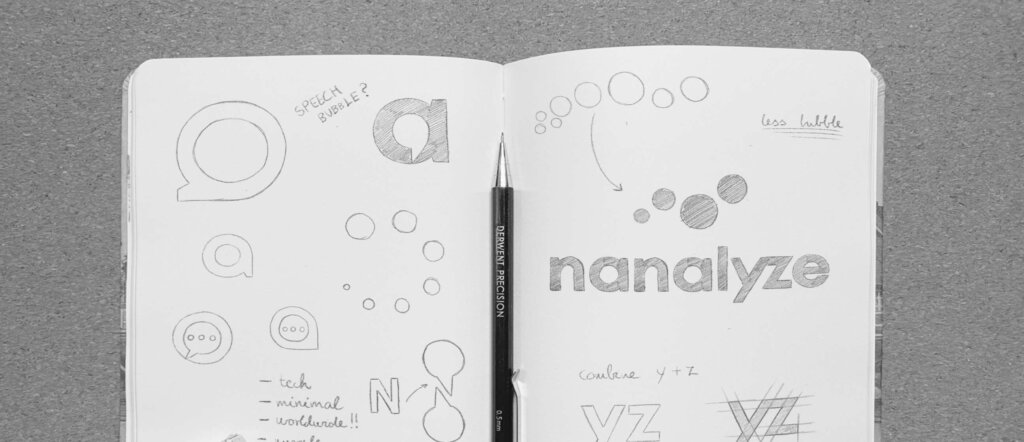
- Logo and brand animations – a frequent tool, as motion creates more lasting brand recall in the audience’s mind.
- Social and campaign content – where fast attention capture is critical, and motion helps stop the scroll and trigger emotional responses.
The tools we work with
High-quality motion design is built not only on creative decisions, but on a solid technical foundation. In our daily work, our core toolkit consists of Adobe After Effects, Cinema 4D, and Lottie.
In addition, we use selected AI tools and supporting software throughout the process to work faster and deliver stronger results.


Is motion design worth it from a business perspective?
Well-applied motion doesn’t just add aesthetic value—it conveys professionalism and builds trust. Used consistently, it strengthens brand perception, improves user experience, and can directly support business goals.
So yes: if motion fits the project and the brand, we definitely recommend using it.
The principles we design by
Strong motion design is not trend-driven. It’s built on clear visual thinking. As with all our design work, we focus on natural timing, rhythm, visual hierarchy, and ensuring that every movement serves a purpose.
Our aim is for motion design to improve the user or customer experience—almost without being noticed.
If you don’t just want your digital product to be seen, but to truly make an impact, get in touch with us.
References

UX Audit & Consulting
During our UX/UI audits, we focus on the usability issues of existing interfaces. We do not introduce new features, nor do we carry out a full redesign.




DONE. has been working in the online space for over a decade: designing, developing and coding digital assets. We know that a fresh appearance and an accurate implementation are just as important as impeccable functionality and efficient operation. We respond to our clients’ challenges by examining business needs, creative requirements and technological capabilities holistically.
Those who chose us










Get in Touch with Us!
Let’s work together to refresh your website!