

 3 minutes
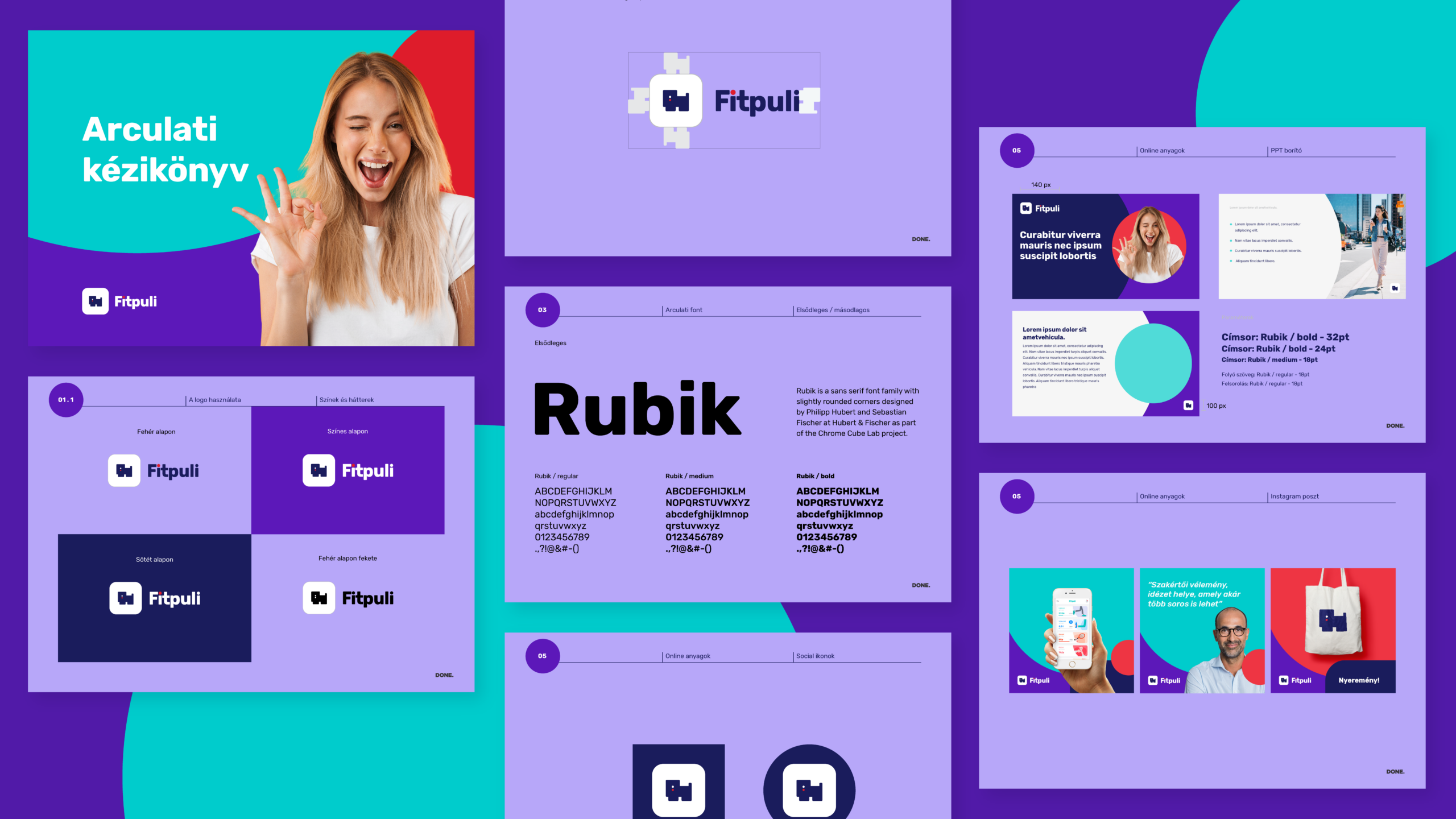
 Brand design is still often identified with a well-crafted logo. However, the logo is rather a visual marker than the identity itself. A condensed form that stands behind an entire system.
A brand’s visual identity is a consistent language that communicates the same character at every touchpoint. It appears on the website, on social platforms, in presentations or even in an email signature. These impressions shape the first perception, and over time they become the foundation of recognizability.
The purpose of brand design is therefore not purely aesthetics, but the creation of a structured visual framework that ensures the brand remains interpretable and consistent across all surfaces.
1. Strategic foundations: what should the brand communicate?
The visual system does not begin with graphic elements. The first question is always what role the brand intends to fulfill in its own market, and what kind of perception it wants to create. Design decisions carry meaning. Colors, typography, shapes and proportions all create associations, therefore they cannot be chosen purely on aesthetic preference. The direction can typically be defined along the following considerations:
- what character the brand represents
- who the communication is addressing
- what value proposition differentiates it from competitors
- what visual tone supports this positioning
If these questions are clarified, visual decisions become more consistent.
2. Defining the visual language
The task of design is to translate abstract concepts into concrete form. A brand may be restrained, progressive or distinctive, but these qualities only become perceptible when every element of the visual system points in the same direction.
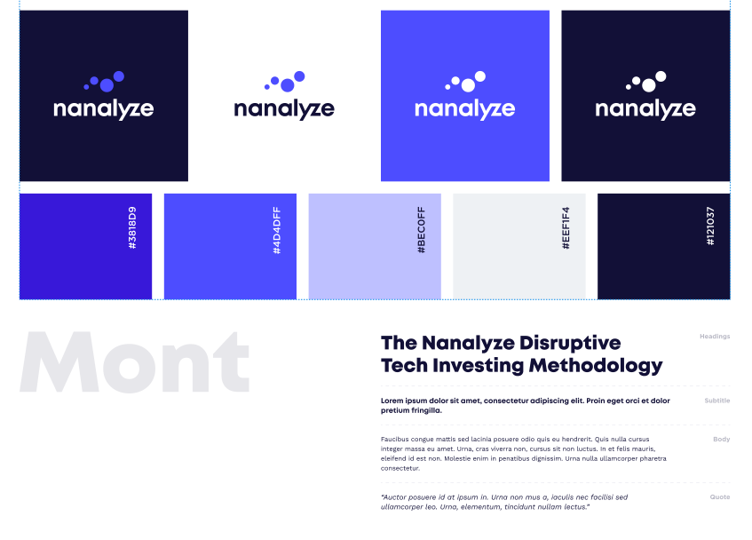
Brand identity is usually built from the alignment of a few fundamental components:
- color system and contrast ratios
- typographic structure
- imagery and compositional logic
- graphic form language
Recognition is not created by a single element, but by the consistency between elements.
3. Market context and differentiation
Brands always appear within an existing visual environment. In many industries, recurring patterns can be observed, as audiences already associate certain meanings with specific colors or visual solutions. One of the key questions of conscious brand design is therefore how much a brand intends to align with these patterns, and where it is worth deviating from them.
During the design process, the following considerations typically arise:
- what visual codes are characteristic of the given sector
- what expectations users have developed
- how deviation from conventions can occur while maintaining credibility
Differentiation does not necessarily come from the strongest contrast, but from the consistent representation of a distinct character.
4. Brand identity as a system
A brand identity is not a single graphic element, but an operational framework. A structure that remains applicable across different platforms.
This is particularly important in digital environments, where a brand appears in many formats:
- websites and digital product interfaces
- social media platforms
- presentations and marketing materials
- offline appearances
System thinking ensures that the brand does not need to reinterpret its visual language every time it appears on a new surface.

5. Consistency and trust
Consistent appearance communicates stability. When a brand represents similar visual quality across all touchpoints, it reduces uncertainty and strengthens recognizability.
A consistent brand identity:
- supports brand recognition
- enables faster interpretation
- provides a unified communication framework
- increases perceived quality over time
This is especially important in environments where decisions are made quickly, often with limited attention.
6. Brand identity as a long-term foundation
Visual identity is not a campaign tool, but infrastructure. A system that allows the brand to remain consistent over time, even as it appears on new platforms and in new contexts.
A consciously developed brand identity does not limit communication, but provides structure for it. It helps ensure the brand remains recognizable and interpretable across different touchpoints.
Brand design is therefore not a one-time graphic task, but a structural decision that influences how the brand is perceived in the long term. A consistent visual system provides not only appearance, but also a stable reference point for future development.
More posts

Service Design: Less Rework, More Predictable Development
Many people still associate Service Design with workshops, Post-it notes, and preliminary discussions. In reality, however, this is the phase that determines whether development becomes a clearly defined, commercially sound[...]

Website Typography: How Fonts Influence Readability, Brand Perception, and Conversions
A website is full of elements competing for attention: colors, images, buttons, animations, and headlines. Yet one of the most influential design elements is often the least noticeable—the typeface. Typography is[...]
Why is a UX/UI audit useful for an existing digital product?
A large portion of incoming inquiries starts with frustration: our partner’s digital product is functioning, campaigns are running, traffic is visible, yet the level of conversion required to achieve business goals still falls short and the reason is often unclear.